What Is Accounts Payable? Definition, Examples, and Process Guide (April 2026)

Accounts payable represents every dollar your business owes for purchases made on credit. You log the debt when invoices arrive, then schedule payments before due dates to protect vendor trust and working capital. Traditional guides focus on inventory and utility bills, but contractor payments break the mold because freelancers expect same-day funds through their preferred channels. We'll show you how the accounts payable process works and why automating contractor payouts saves you from manual errors and costly delays.
TLDR:
- Accounts payable tracks money you owe vendors and sits as a liability on your balance sheet
- You record obligations when invoices arrive, then clear them within 30-90 day terms
- Manual invoice processing costs $15 per bill and takes 14.6 days without automation
- Paying contractors demands faster settlement than vendor invoices, often instant vs net 30
- Dots sends instant payouts across 190+ countries with automated KYC, tax filing, and compliance
What Is Accounts Payable
Many founders ask for the accounts payable meaning. To explain what is accounts payable in simple words, it represents money your business owes vendors for items purchased on credit. Buying goods now to pay later creates immediate debt.
If you ask what is accounts payable assets or liabilities, you record this balance as a current liability on your balance sheet. Clearing these obligations on schedule protects your cash flow. Tracking each invoice accurately helps you maintain healthy vendor relationships and avoid late payment penalties.
How Accounts Payable Works in Business
The accounts payable cycle tracks the money you owe. When you buy supplies, you rarely pay upfront. Vendors send an invoice, and you record the obligation.
Suppliers typically offer credit terms allowing you to settle balances within 30 to 90 days. Keeping cash longer protects your working capital for daily growth.
You must clear these invoices before their due dates. Honoring agreed terms builds trust.
Accounts Payable vs. Accounts Receivable
What is the difference between accounts receivable and accounts payable? We define accounts payable and accounts receivable in simple words through debt ownership.
- Accounts payable tracks funds your business owes vendors. It acts as a short term liability that lowers cash balances.
- Accounts receivable tracks cash customers owe you. It acts as an asset boosting cash flow upon collection.
For specific accounts payable and receivable examples, hiring a contractor creates a payable when you receive their invoice, while selling products to a customer creates a receivable until they pay.
Common Accounts Payable Examples
If you want a clear what is accounts payable example, look at daily business operations. You log the financial obligation the moment you receive an invoice, well before paying the bill.
Here are common accounts payable examples you will likely face:
- Purchasing office supplies on net 30 terms.
- Ordering inventory to stock your storefront.
- Hiring contractors for short projects.
- Receiving monthly utility bills for electricity, internet, or water services.
The Accounts Payable Process Step by Step
Learning what is accounts payable process step by step protects against fraud. The end-to-end process of accounts payable demands strict verification before money leaves your bank. Without checks, your business can suffer manual error rates that drain cash and delay payments.
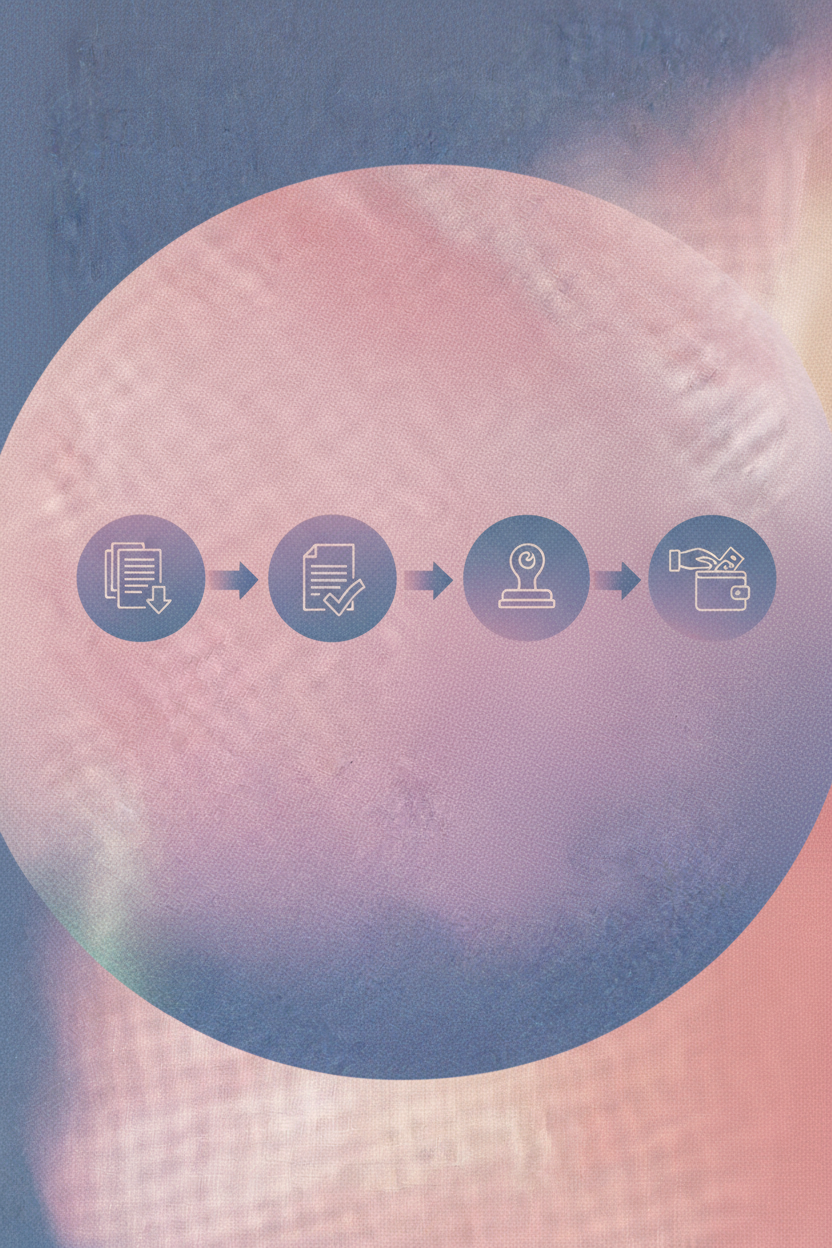
The standard workflow includes four stages:
- Invoice receipt: You receive vendor invoices through mail, email, or your procurement portal and log each one in your accounting system.
- Verification: You match the invoice against purchase orders and delivery receipts to confirm quantity, pricing, and terms before approving payment.
- Approval: Authorized managers review the matched documents and approve or reject the payment request based on your internal controls.
- Payment: You schedule the approved invoice for payment within the agreed terms, then record the transaction to clear the liability from your books.
Recording Accounts Payable: Journal Entries Explained
When approving an invoice, you must record it in your general ledger. Managing accounts payable and receivable journal entries requires basic accounting knowledge. For accounts payable vs. receivable debit or credit rules, remember payables act as liabilities. You increase liabilities with a credit.
Receiving a bill prompts a debit to the matching expense account. Next, log an accounts payable journal entry by crediting the payable account. After you pay the invoice, debit accounts payable and credit cash to clear the liability from your books.
Key Accounts Payable Metrics and KPIs
Tracking performance shows how you handle cash outflows and exposes bottlenecks inside your accounts payable cycle. Manual work drains resources fast. You spend $15 per bill and wait 14.6 days without payouts automation.
Review these metrics to protect your working capital.
Metric | Description |
|---|---|
Cost per Invoice | Total processing expense divided by invoice volume. Manual workflows average $15 per bill, while automation drops costs to under $5. |
Invoice Processing Time | Days from receipt to payment approval. Manual systems average 14.6 days, but automated platforms cut this to hours or same-day completion. |
Error Rate | Percentage of invoices requiring correction or rework. Studies show 39% of manual invoices contain errors that delay payment and waste staff time. |
Days Payable Outstanding (DPO) | Average days you take to pay invoices after receipt. Higher DPO preserves cash longer but may strain vendor relationships if you exceed agreed terms. |
Payment Terms Captured | Percentage of early payment discounts claimed. Missing these opportunities costs you 2-3% savings on eligible invoices. |
Exception Rate | Invoices flagged for issues like mismatched purchase orders or pricing discrepancies. High exception rates signal procurement or vendor communication problems. |
Accounts Payable Department Structure and Responsibilities
Want to know what is accounts payable department in accounting? This team controls your cash outflow. A clear accounts payable department structure prevents late fees.
An accounts payable department job description shows strict hierarchy. Clerks log bills. Specialists resolve disputes. Managers approve payments.
Core accounts payable department responsibilities include processing invoices and managing vendor records. These accounts payable department duties need coordination with procurement and finance teams for accurate expense tracking and timely payment approvals.
Accounts Payable Jobs: Roles, Skills, and Salary Expectations
An accounts payable job description for resume building focuses on invoice matching and communication. You manage outgoing cash, defining what is accounts payable job in accounting.
Every accounts payable job title demands attention to detail and ERP proficiency to handle your core what is accounts payable job responsibilities.
Curious about what is accounts payable job salary averages? When reviewing accounts payable vs accounts receivable salary data, compensation stays close.
How Accounts Payable Impacts Cash Flow
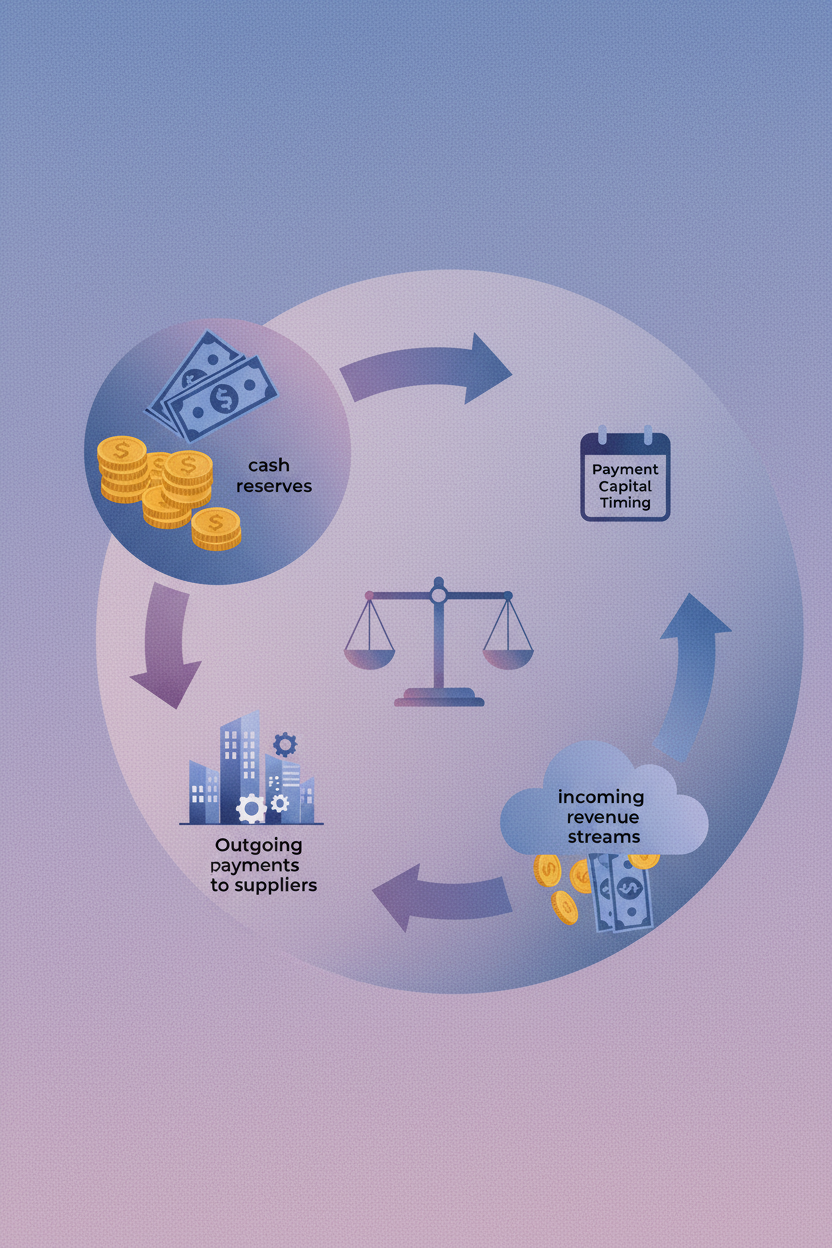
The end-to-end process of accounts payable directly impacts your financial health. Managing outgoing funds properly gives you working capital to grow. Treat this workflow as simple paperwork, and you put your liquidity at risk.
Here is how your payout choices change your cash position:
- Holding cash longer gives you funds for daily operations.
- Paying invoices early helps you claim supplier discounts.
- Missing payment deadlines triggers late fees that drain your budget unnecessarily.
Accounts Payable Challenges and Solutions
Managing what is in accounts payable brings daily hurdles. Manual workflows cause costly delays and hurt your cash cycle. Research shows 39% of invoices contain errors requiring immediate rework. You face several common issues when paying vendors by hand:
- Data entry mistakes quickly skew your general ledger balances.
- Missing invoices create payment delays that damage vendor relationships.
- Duplicate payments waste cash and require time-consuming reconciliation work.
- Lost early payment discounts reduce your purchasing power and profit margins.
Automating Accounts Payable for Contractor and Gig Worker Payments
Paying independent workers changes your accounts payable cycle. Contractors expect fast cash instead of net 30 terms. High volumes, diverse preferences like Venmo or ACH, and tax form collection make daily payouts difficult.
Dots solves these challenges using a single payouts API:
- Upfront onboarding: We collect KYC data and tax forms before money moves.
- Fast payouts: You send funds instantly across 190+ countries through each recipient's preferred method.
Final Thoughts on Your Accounts Payable Process
Mastering your accounts payable process means fewer surprises, better vendor terms, and more cash available when you need it. You reduce fraud risk with proper invoice verification, maintain clean records with accurate journal entries, and build supplier goodwill by paying on time. Automation removes bottlenecks and cuts processing costs, giving your team space to focus on strategic work instead of manual data entry. When you're ready to modernize contractor payouts, schedule time with our team to see how Dots can help.
FAQ
What is accounts payable in simple terms?
Accounts payable is money your business owes to vendors for goods or services purchased on credit. You receive the product or service now and pay the invoice later, typically within 30 to 90 days.
How do I record an accounts payable transaction?
When you receive an invoice, debit the relevant expense account and credit your accounts payable account. When you pay the bill, debit accounts payable and credit your cash account to clear the liability.
What is the difference between accounts payable and accounts receivable?
Accounts payable tracks money your business owes vendors and appears as a liability on your balance sheet. Accounts receivable tracks money customers owe you and appears as an asset that boosts cash flow when collected.
How long does the accounts payable process typically take?
Without automation, processing a single invoice takes an average of 14.6 days and costs about $15 per bill. Automated systems cut this time to hours or minutes while reducing manual error rates.
Can I automate accounts payable for contractor payments?
Yes. Dots handles contractor payouts through a single API that collects KYC data and tax forms upfront, then sends instant payments across 190+ countries using the recipient's preferred payment method like Venmo, ACH, or mobile money.